How to Navigate Seasonal Financial Planning in Finland


Understanding Seasonal Financial Patterns
Finland, with its distinct seasons, presents unique challenges and opportunities for financial planning. The country's economic activities often vary with the seasons, influencing both personal and business finances. Navigating these fluctuations requires a keen understanding of how different times of the year impact your financial situation.
Seasonal financial planning involves anticipating changes in income and expenses, allowing you to make informed decisions that secure your financial health throughout the year. By recognizing these patterns, you can better prepare for times of increased spending or reduced income.

Anticipating Income Variations
In Finland, income variations can be significant, especially for those working in industries affected by seasonal demand, such as tourism and agriculture. During peak seasons, incomes may rise, providing an opportunity to save or invest. Conversely, off-peak seasons might lead to reduced income, necessitating careful budgeting to manage expenses.
To mitigate these fluctuations, consider creating a budget that accounts for these changes. Set aside a portion of your income during high-earning months to cover expenses during leaner periods. This proactive approach can help ensure that you remain financially stable throughout the year.

Managing Seasonal Expenses
Expenses can also fluctuate with the seasons. For instance, winter months might bring higher heating costs, while summer could see increased spending on travel and leisure. Understanding these patterns allows you to plan and allocate resources effectively.
Create a detailed expense forecast for each season and adjust your budget accordingly. By anticipating these costs, you can avoid the stress of unexpected expenses and maintain a balanced financial plan.
Leveraging Seasonal Opportunities
While challenges exist, seasonal changes also present opportunities for growth and savings. For businesses, this might include capitalizing on seasonal demand spikes by offering promotions or expanding product lines. For individuals, it could mean taking advantage of seasonal sales and discounts to save money.

Investing during specific seasons can also be beneficial. For instance, purchasing stocks during off-peak seasons when prices might be lower could yield significant returns. Always consult with a financial advisor to explore these opportunities wisely.
Preparing for Tax Season
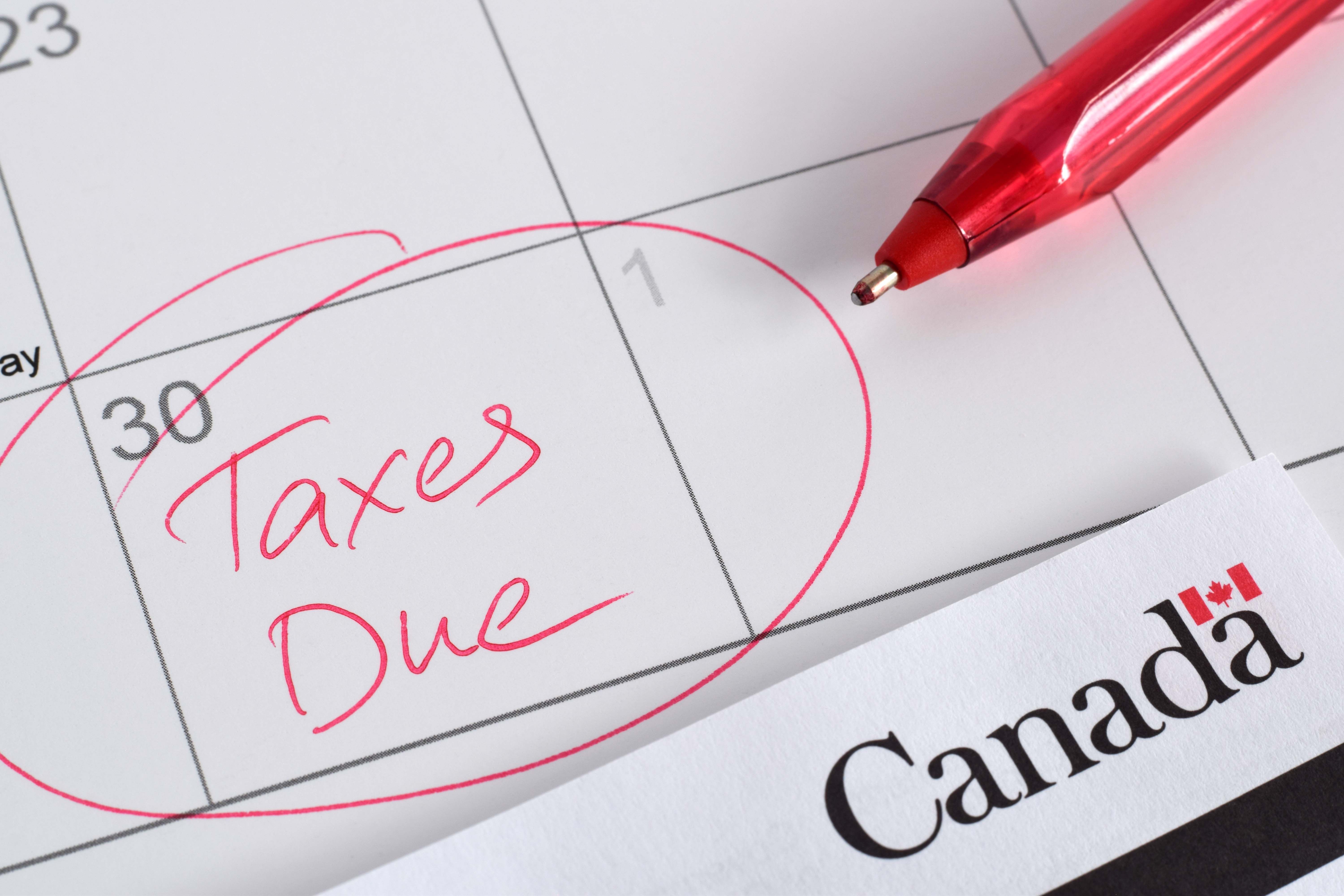
Tax season in Finland requires meticulous preparation. By keeping track of income and expenses throughout the year, you can streamline the process and avoid last-minute stress. Make use of digital tools and financial software to organize your records and ensure compliance with local regulations.
Consider setting aside funds specifically for tax payments to prevent cash flow disruptions. Regularly reviewing your tax obligations can also help you take advantage of deductions and credits available during different times of the year.
Conclusion
Seasonal financial planning in Finland is a dynamic process that demands attention to detail and strategic foresight. By understanding and anticipating changes in income and expenses, you can create a robust financial plan that supports your goals year-round.
Whether you're an individual or a business owner, adopting a proactive approach to managing seasonal financial shifts will enhance your financial stability and resilience. Embrace the unique financial landscape of Finland and turn seasonal challenges into opportunities for growth and success.